
Oral Surgery: How Is Care Planned?
Symptoms, clinical findings, imaging needs, medication and medical history are reviewed.
The need for surgery, treatment setting and recovery plan are considered individually.
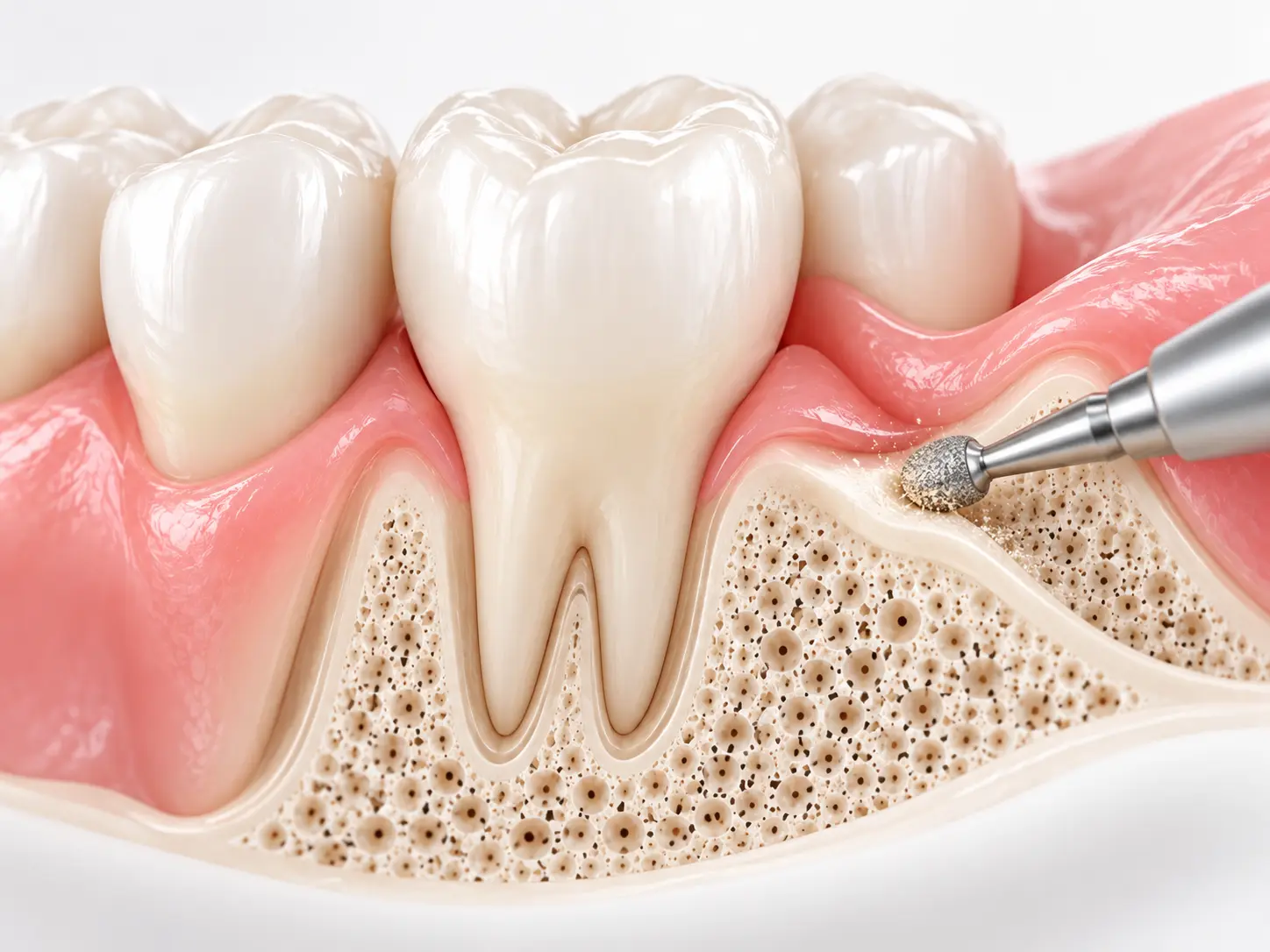
Oral Surgery: Treatment Stages
The procedure, anaesthesia, possible risks and recovery are discussed in advance. The appropriate treatment setting depends on the extent of surgery and the patient’s health.
Care and Review
Reviews and postoperative instructions are tailored to the procedure. Unexpected symptoms should be discussed with the treating team.
The method and ongoing care are determined by clinical findings, medical history and individual needs.
What Happens at the First Consultation?
- 01
Your concerns, expectations and medical history are discussed.
- 02
A clinical examination is carried out and relevant diagnostic records are reviewed.
- 03
Treatment options, stages, possible risks and maintenance needs are discussed.
Suitability and a definitive plan are determined after clinical assessment. You can share existing X-rays and a list of medication before the visit.
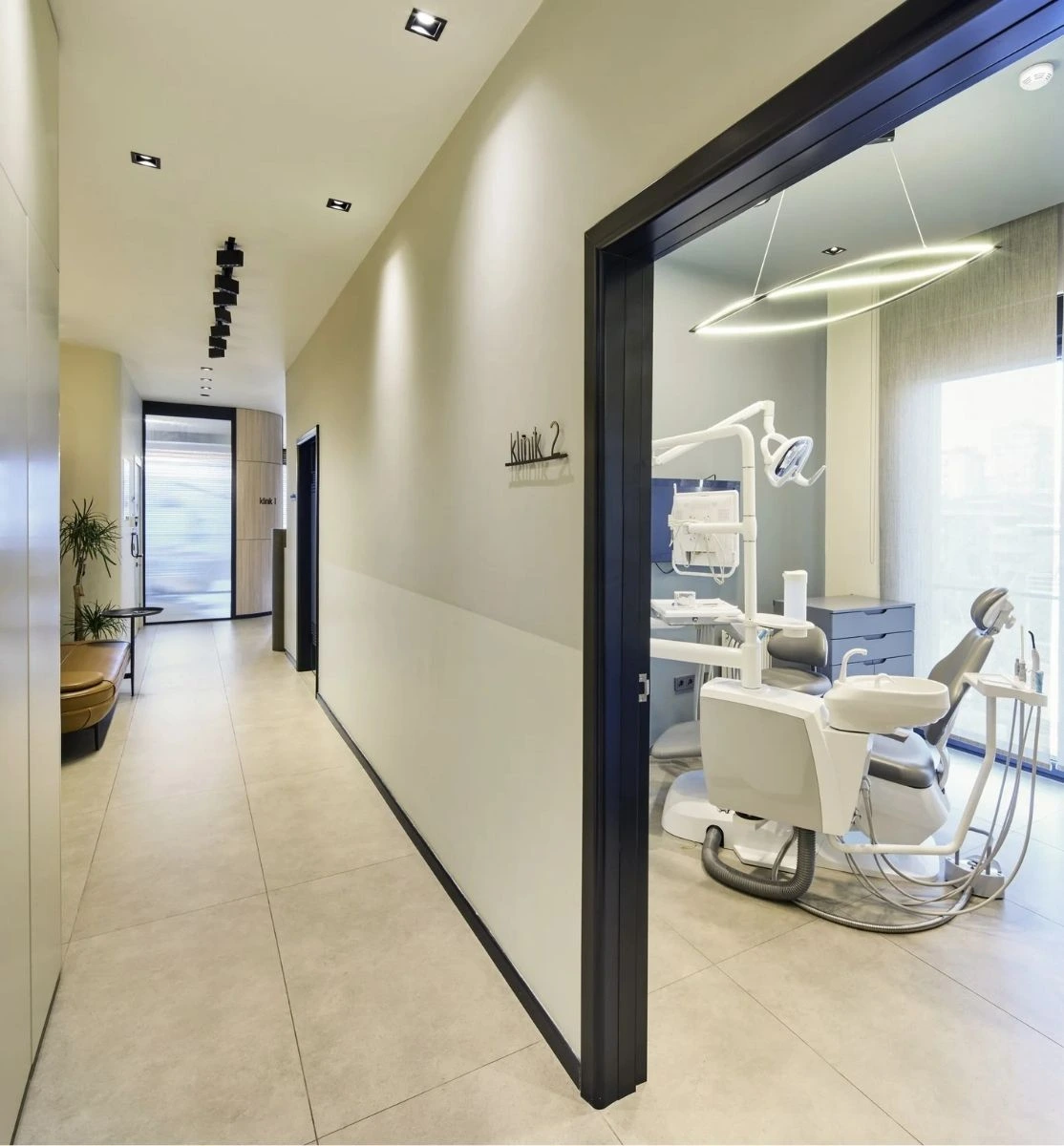
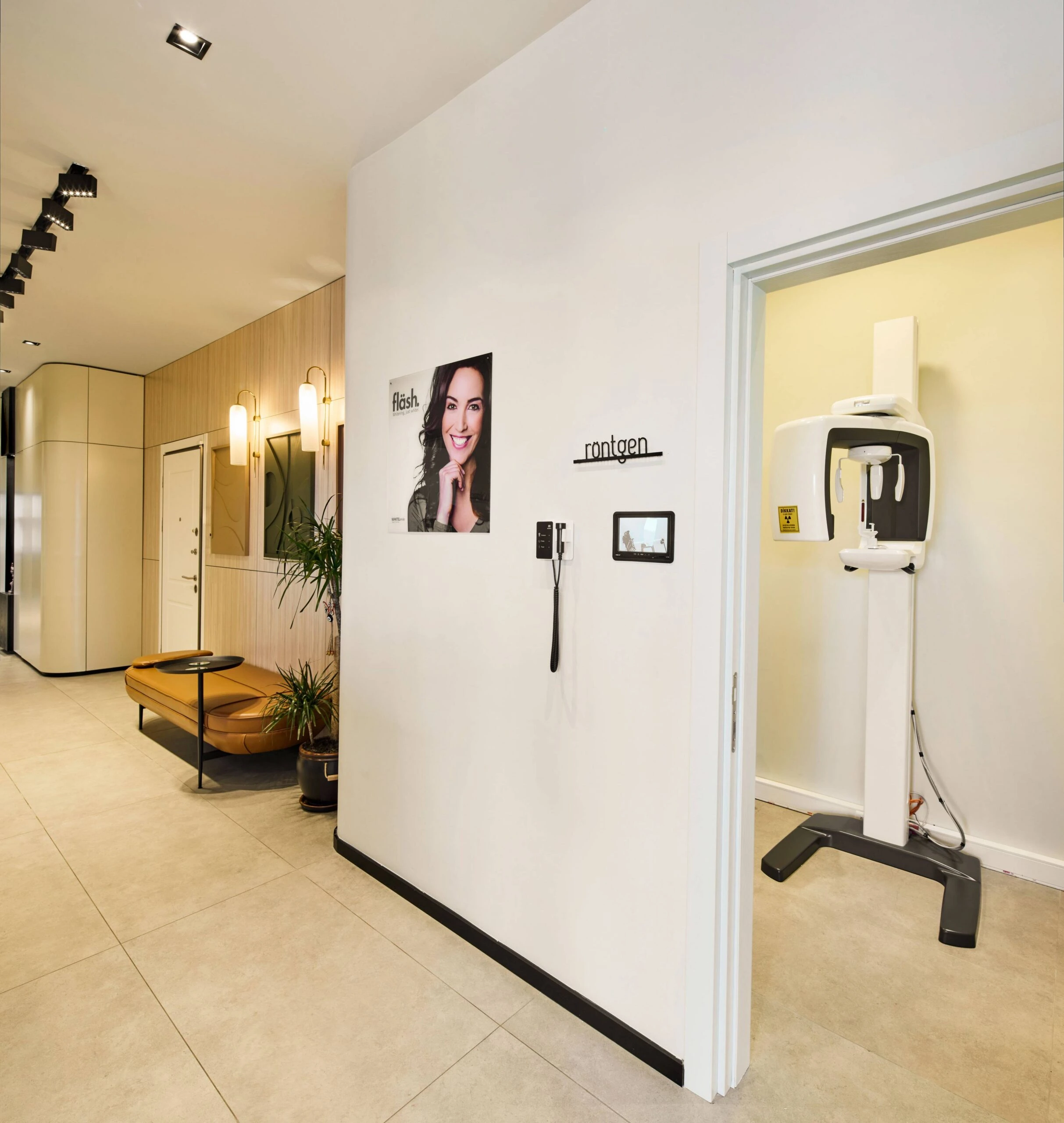
A Look Inside Our Practice


Oral Surgery — Frequently Asked Questions
What should I know about oral surgery?
Oral surgery involves assessment and surgical management of conditions affecting teeth, jawbones and oral tissues. A decision to operate follows diagnosis and consideration of appropriate alternatives.
How is suitability assessed?
Symptoms, clinical findings, imaging needs, medication and medical history are reviewed.
What does the process involve?
The procedure, anaesthesia, possible risks and recovery are discussed in advance. The appropriate treatment setting depends on the extent of surgery and the patient’s health.
How are the number of visits and timing decided?
The scope, clinical findings and any additional stages determine the individual schedule.
How is comfort managed?
Anaesthesia and aftercare needs are discussed in relation to the procedure and medical history.
Will I need X-rays or other imaging?
Diagnostic records are selected after assessment; imaging is not ordered routinely when it is not needed.
Are there other options?
Monitoring, conservative care or other treatments may be compared according to the findings.
What follow-up is needed?
Reviews and postoperative instructions are tailored to the procedure. Unexpected symptoms should be discussed with the treating team.
Can every surgical procedure be performed in a dental practice?
The scope of surgery and medical history guide the choice of a suitable setting.
Can I enquire from abroad?
You can share preliminary information. A remote conversation does not replace examination or a definitive plan.