
Laser Dentistry: How Is Care Planned?
The treatment objective, target tissue, device suitability and patient needs are assessed.
Laser selection depends on the target tissue and purpose; one laser is not appropriate for every task.
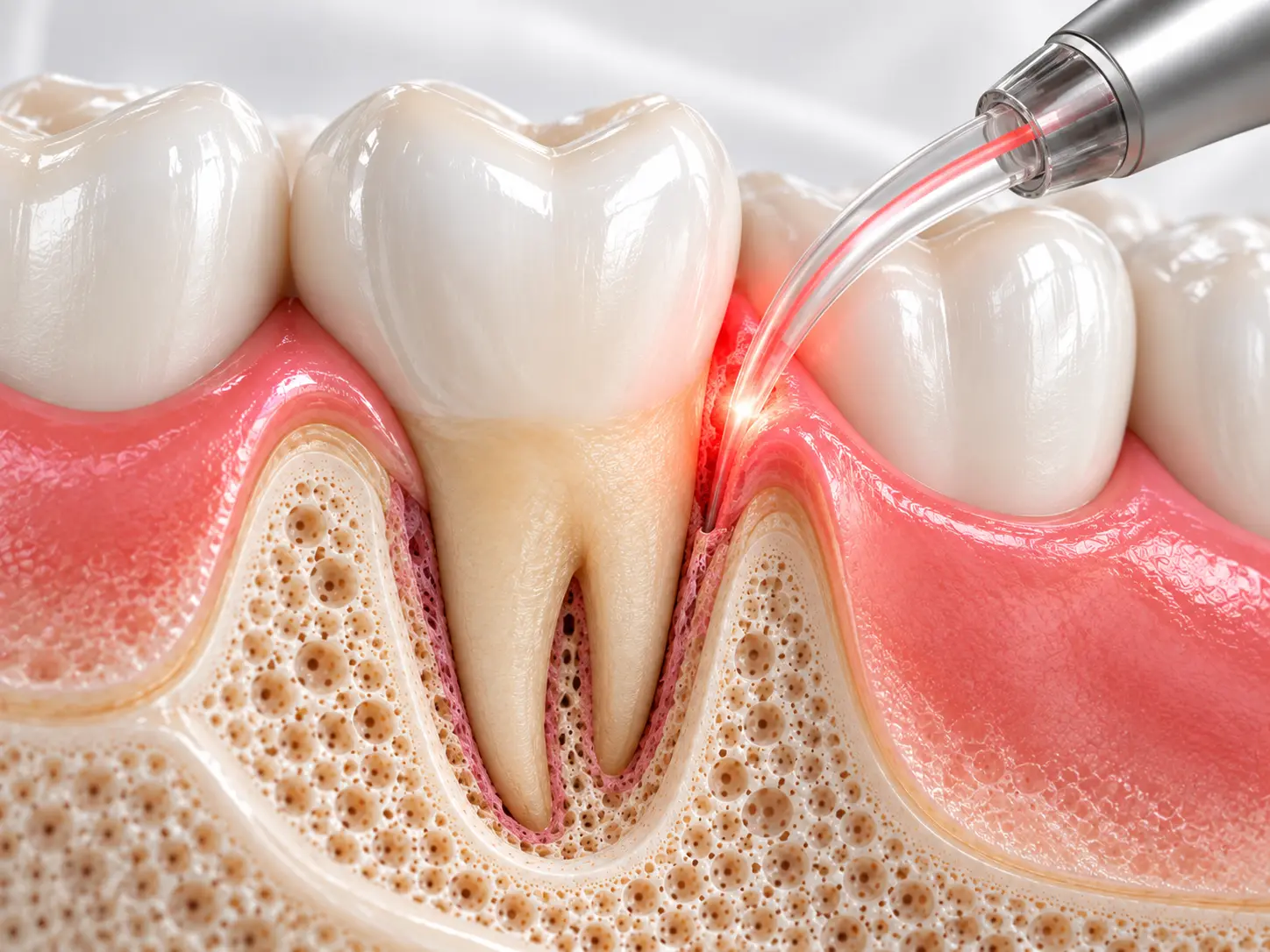
Laser Dentistry: Treatment Stages
Wavelength and operating parameters are chosen for the procedure. Safety measures, including protective eyewear, are used. Lasers may be combined with other treatment methods when appropriate.
Care and Review
Expected benefits, limitations and alternatives are explained. Outcomes depend on the procedure and individual clinical conditions.
The method and ongoing care are determined by clinical findings, medical history and individual needs.
What Happens at the First Consultation?
- 01
Your concerns, expectations and medical history are discussed.
- 02
A clinical examination is carried out and relevant diagnostic records are reviewed.
- 03
Treatment options, stages, possible risks and maintenance needs are discussed.
Suitability and a definitive plan are determined after clinical assessment. You can share existing X-rays and a list of medication before the visit.
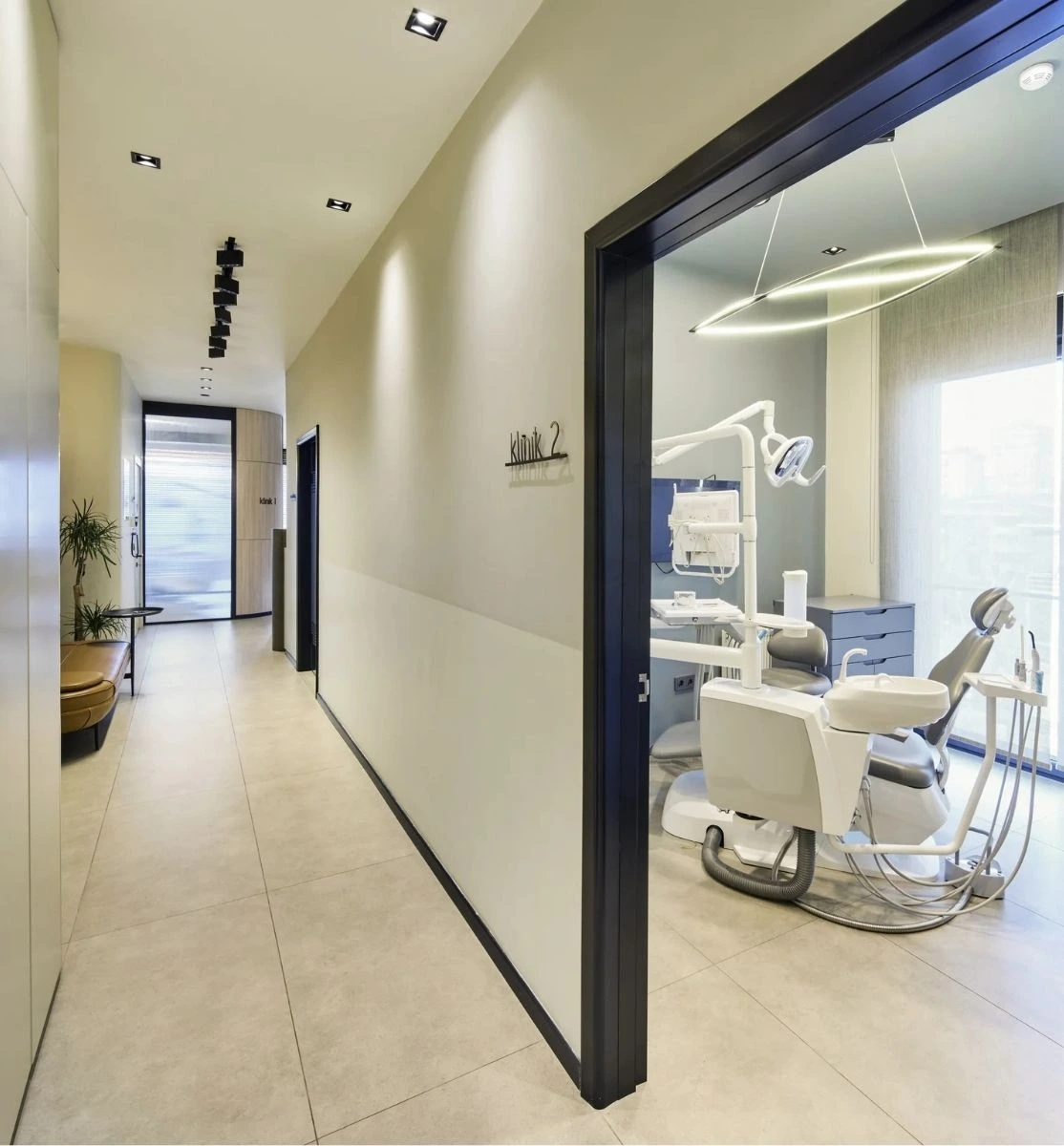
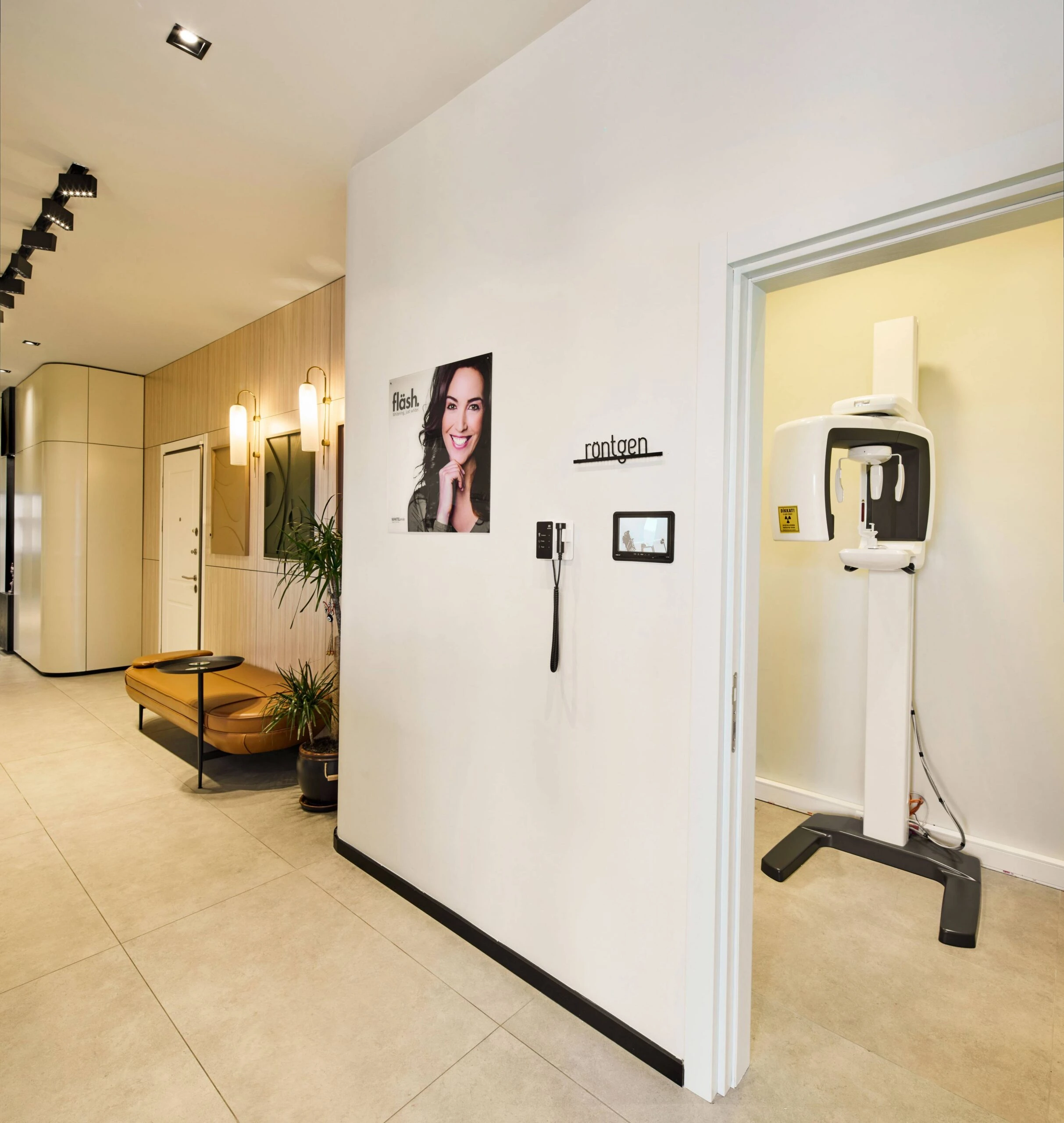
A Look Inside Our Practice


Laser Dentistry — Frequently Asked Questions
What should I know about laser dentistry?
Laser dentistry involves using selected wavelengths in suitable dental procedures. A laser is a clinical tool; it does not replace diagnosis or constitute a complete treatment by itself.
How is suitability assessed?
The treatment objective, target tissue, device suitability and patient needs are assessed.
What does the process involve?
Wavelength and operating parameters are chosen for the procedure. Safety measures, including protective eyewear, are used. Lasers may be combined with other treatment methods when appropriate.
How are the number of visits and timing decided?
The scope, clinical findings and any additional stages determine the individual schedule.
How is comfort managed?
Anaesthesia and aftercare needs are discussed in relation to the procedure and medical history.
Will I need X-rays or other imaging?
Diagnostic records are selected after assessment; imaging is not ordered routinely when it is not needed.
Are there other options?
Monitoring, conservative care or other treatments may be compared according to the findings.
What follow-up is needed?
Expected benefits, limitations and alternatives are explained. Outcomes depend on the procedure and individual clinical conditions.
Is a laser used for every dental treatment?
No. Suitability depends on the tissue, procedure and available alternatives.
Can I enquire from abroad?
You can share preliminary information. A remote conversation does not replace examination or a definitive plan.