
Preserve Natural Tissue
Options to retain healthy teeth and tissues are assessed before an intervention is proposed.
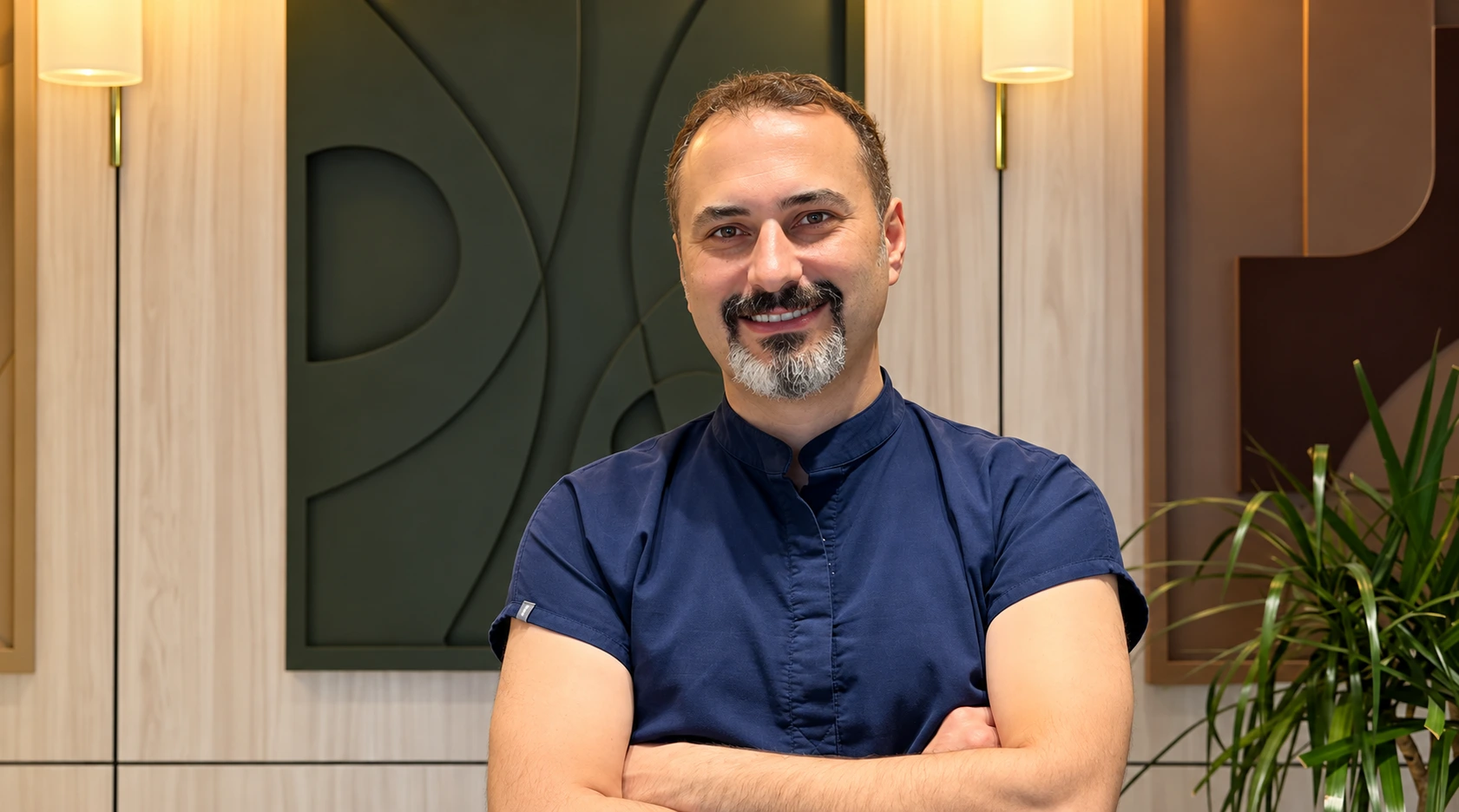
An approach that considers teeth, surrounding tissues and medical history together, aiming to preserve natural structures and plan care around the individual.
Biological dentistry considers an oral concern in the context of the gums, supporting bone, bite, medical history and daily care rather than focusing on one tooth in isolation.
The aim is to assess which natural structures can be preserved, plan necessary procedures carefully and select a method that fits the person’s clinical needs. No single material or procedure is best for every patient.
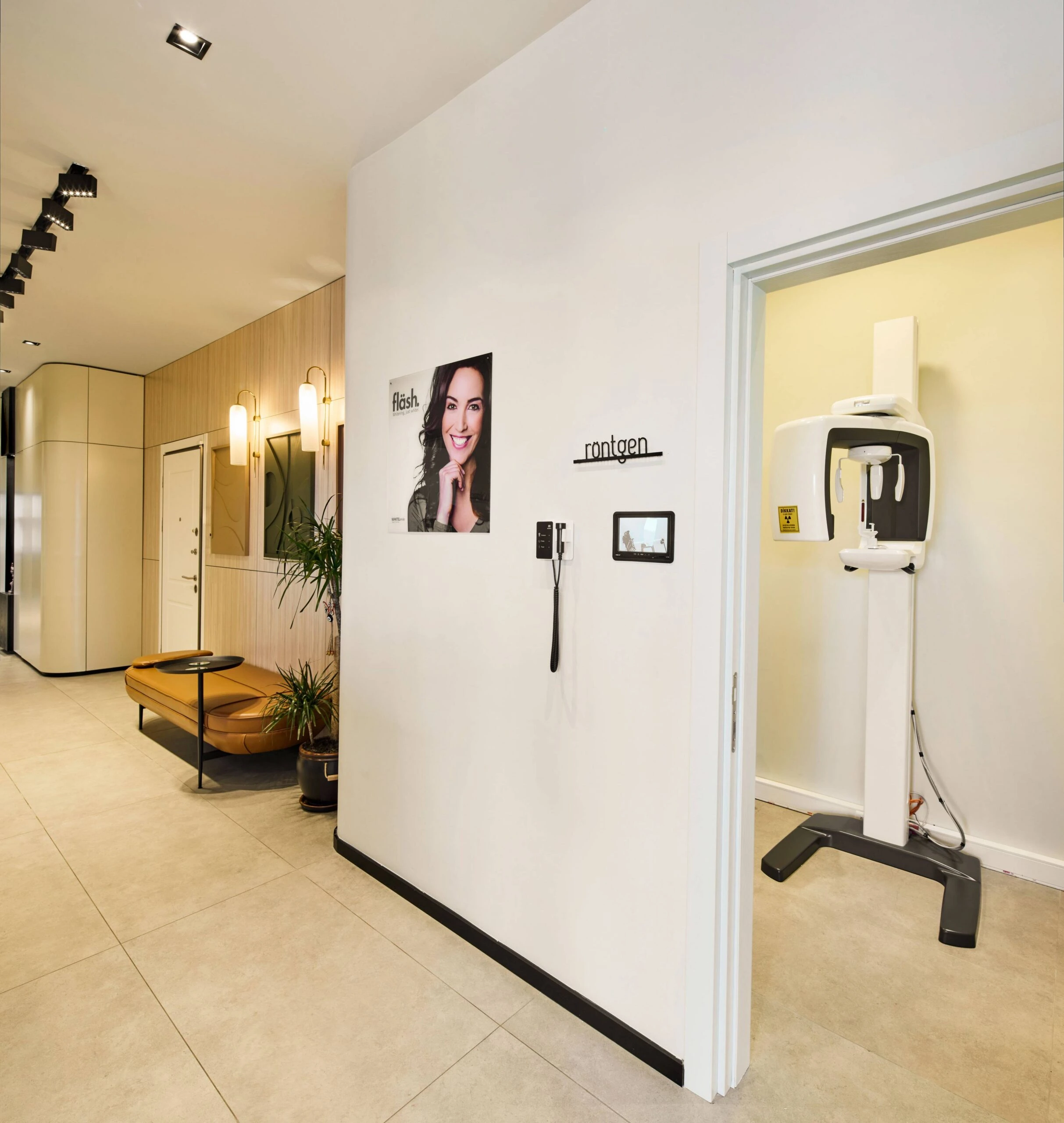
From the initial consultation to long-term follow-up, decisions consider oral tissues and the patient’s individual needs.
Options to retain healthy teeth and tissues are assessed before an intervention is proposed.
Gums, bone, bite, medical history and habits are considered within one plan.
Materials and technology are selected according to findings and treatment goals.
Healing, hygiene, follow-up and maintenance are discussed from the outset.
Dr. Ali İlker Baştan’s training in oral implantology, oral and maxillofacial surgery and laser dentistry informs the assessment of bone and soft tissues. Tissue reconstruction, implant surgery and laser-assisted procedures form part of his professional work.
These areas connect with a biological approach through decisions based on clinical findings instead of applying the same treatment to every patient. Laser treatment or a particular implant material is not automatically recommended.
More About Dr. Baştan →Each option is considered only when appropriate to the clinical findings.
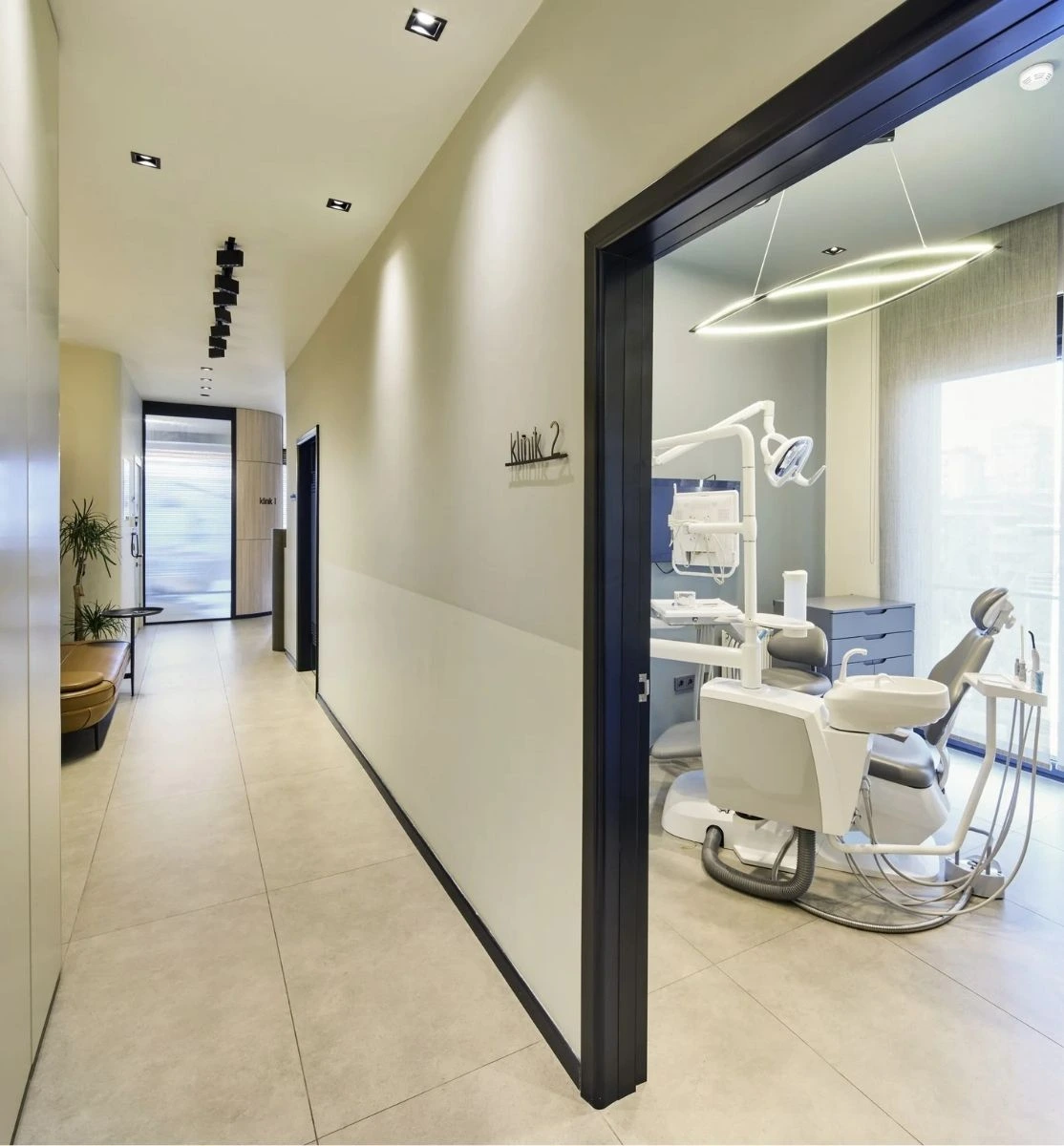
When replacing missing teeth, bone volume, surrounding tissues, retainable teeth and the long-term care of the restoration are assessed together.
Dental Implants →
In suitable clinical situations, laser technology may support surgical, gum or other tissue procedures; it does not replace every conventional treatment.
Laser Dentistry →
Inflammation, periodontal pockets and the condition of supporting tissues are assessed alongside home care and clinical treatment.
Gum Treatment →
Durability, tooth preservation, aesthetic goals and preferences are discussed when comparing appropriate options.
Ceramic Implants →We listen to the concern, expectations and medical history.
A clinical examination and necessary imaging records are reviewed.
Natural tissue conditions and treatment alternatives are explained.
Agreed treatment stages are carried out according to the individual plan.
Healing, daily hygiene and longer-term reviews are planned.
No. The condition of existing teeth, gum and bone health, medical history, medication, expectations and ongoing maintenance all influence the treatment plan.
A ceramic implant, for example, may be an option but cannot be assumed to be superior or more suitable than titanium for every patient. A serviceable restoration is not replaced solely because an alternative is described as “biological”. Decisions are based on clinical need and the available evidence.
It is an approach to assessment and planning, rather than one specific procedure.
Options to retain teeth are assessed where clinically appropriate. An examination and imaging help determine what can be preserved.
No. Material selection depends on bone and soft tissue, restoration design and individual clinical requirements.
No. Lasers are tools used for selected indications and do not replace conventional methods in every case.
Gums and supporting bone are assessed to support the long-term health of natural teeth and tissues around implants.
No. A serviceable restoration is not automatically replaced solely because it contains amalgam. Any treatment reason is assessed individually.
Medical history, existing teeth, gums, bone volume, bite and appropriate imaging records are reviewed.
No. The steps, tissue conditions and healing time vary; a timeline is discussed after assessment.
Research has found associations between oral disease and some systemic conditions. An association does not establish a direct cause or guarantee that dental treatment will address another condition.
Recent X-rays, medication details and your medical history can help with an initial discussion. The final plan follows an in-person assessment.
Share your concerns and available records; we can discuss suitable treatment options during a clinical assessment.
This page provides general information and cannot replace a personal diagnosis or treatment plan.