
Bone and Gum Tissue
Suitable bone support and the surrounding soft tissues are assessed.
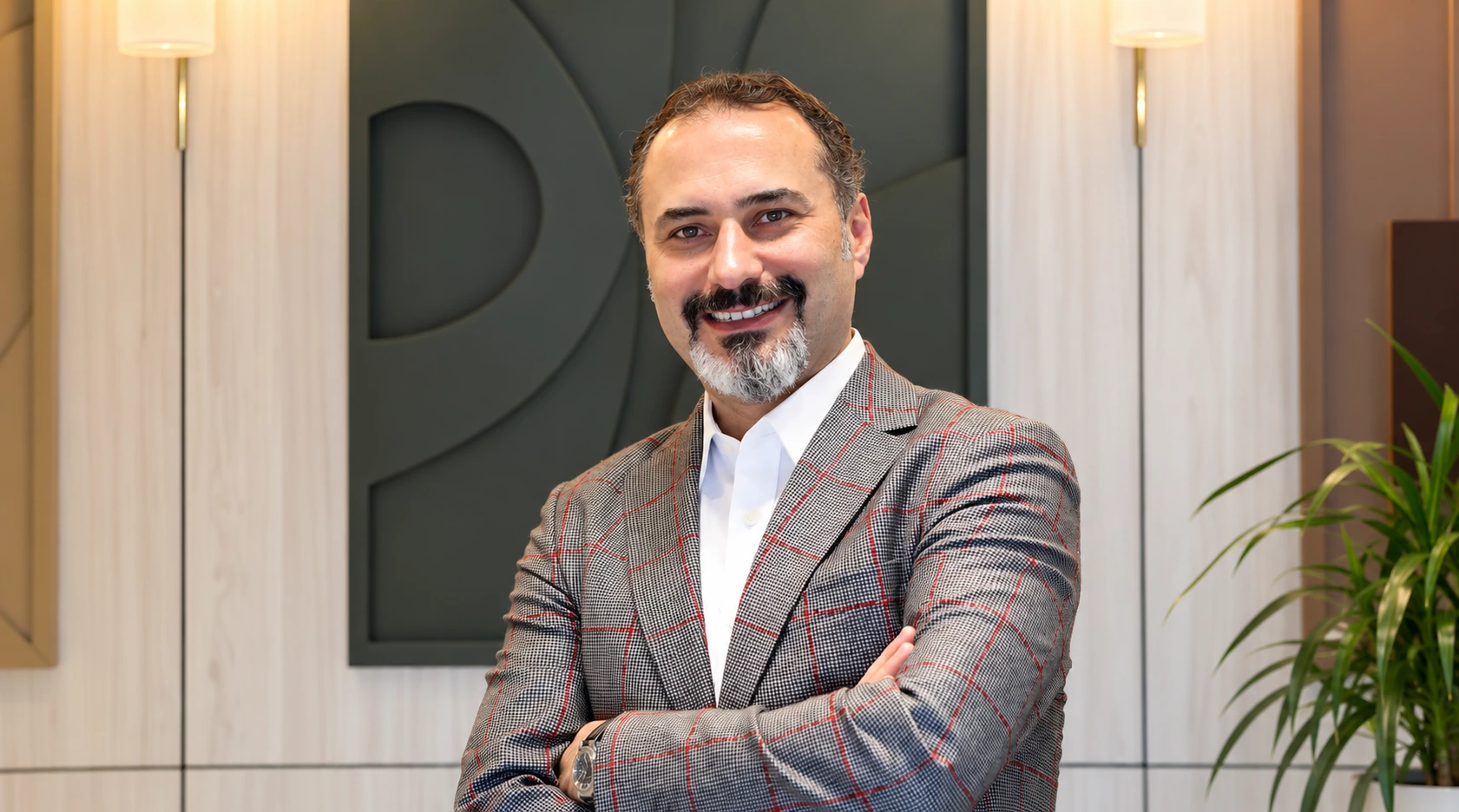
For patients interested in a metal-free option, zirconia ceramic implants may be considered when the bone and planned restoration are suitable.
Zirconia implants are made from zirconium dioxide ceramic rather than titanium. They may appeal to patients seeking a metal-free option, but material preference alone cannot establish clinical suitability.
Dera Dental lists ceramic implants among its implant options. Assessment includes available bone, implant position, gum condition, bite forces and restorative needs. No material is presented as universally superior.
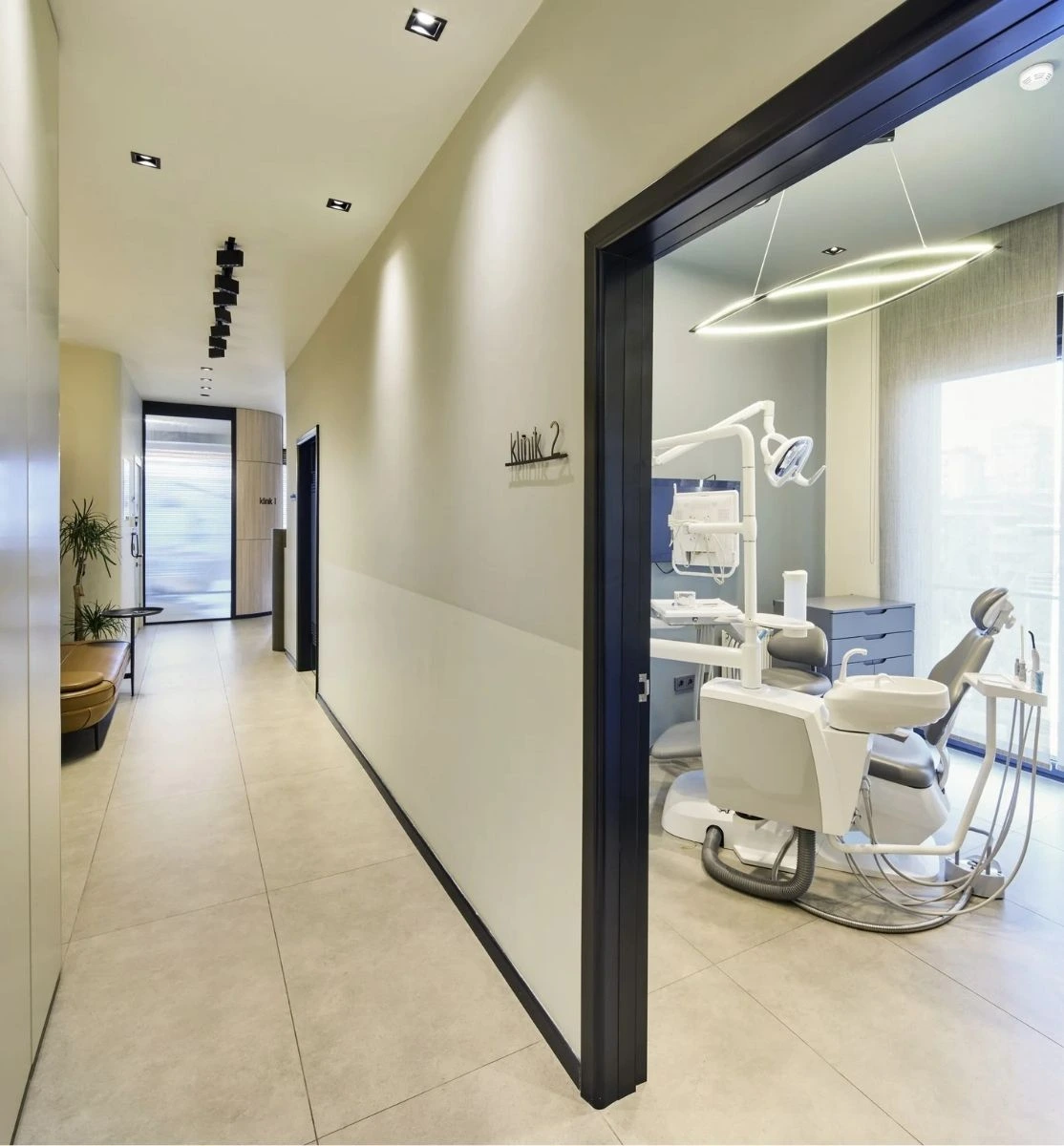
Suitable bone support and the surrounding soft tissues are assessed.
Grinding and high chewing loads affect the restorative and material plan.
Component suitability and cleaning access are reviewed for a single tooth or a larger restoration.
Material, surgical and restorative decisions are made together.
Material preferences, medical history and treatment goals are heard.
Bone, gums and bite are examined; relevant imaging is planned.
Case-specific ceramic and titanium components and their limitations are discussed.
Surgical, restorative and review stages are agreed for the selected option.
Ceramic implants use metal-free zirconia, while widely used conventional implants are typically titanium. Design, connection components and prosthetic choices vary with the implant system.
Neither material is the best option for every patient. Bone, soft tissue, bite and long-term maintenance requirements guide the recommendation.
Individual suitability requires clinical assessment and imaging.
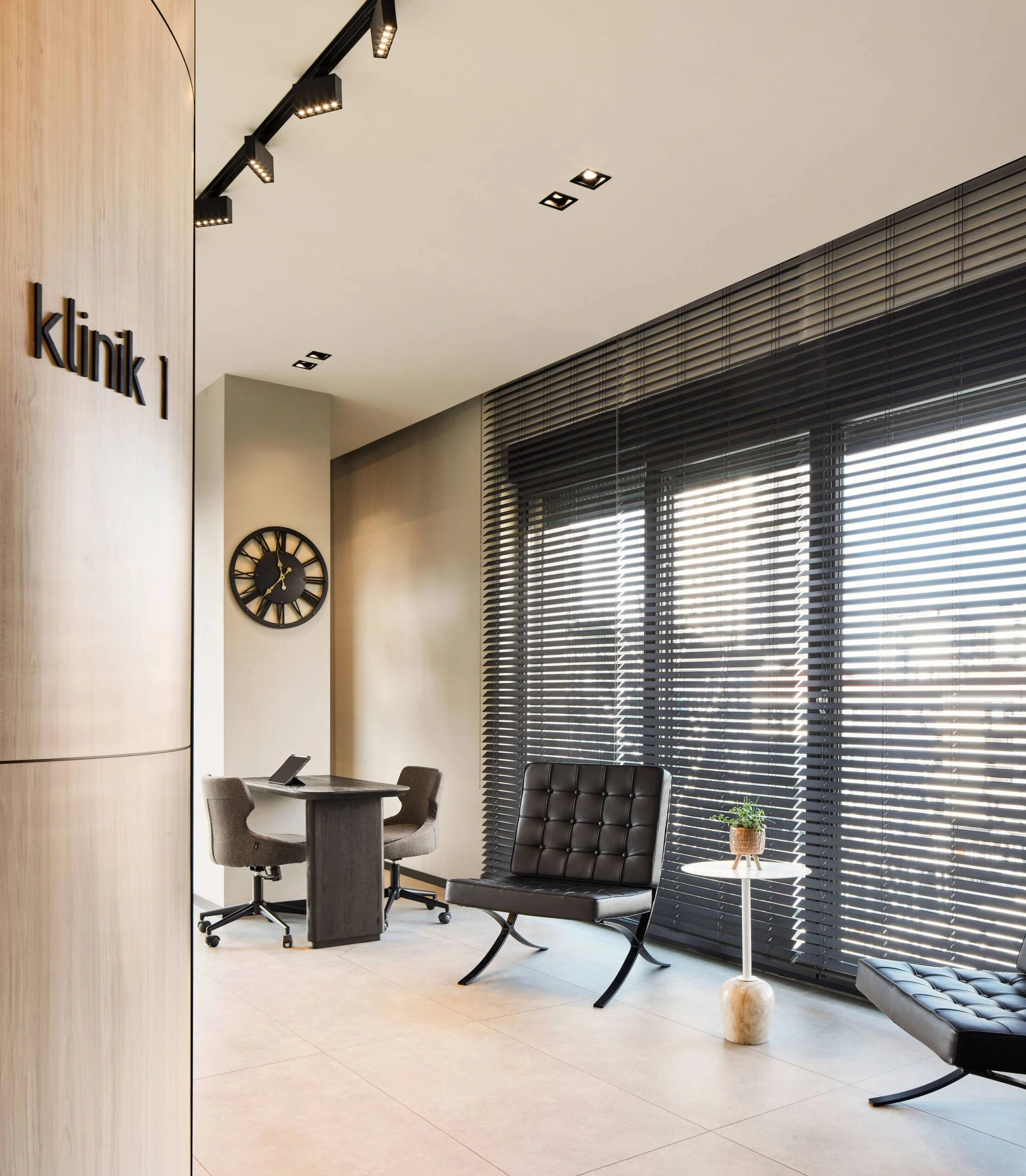
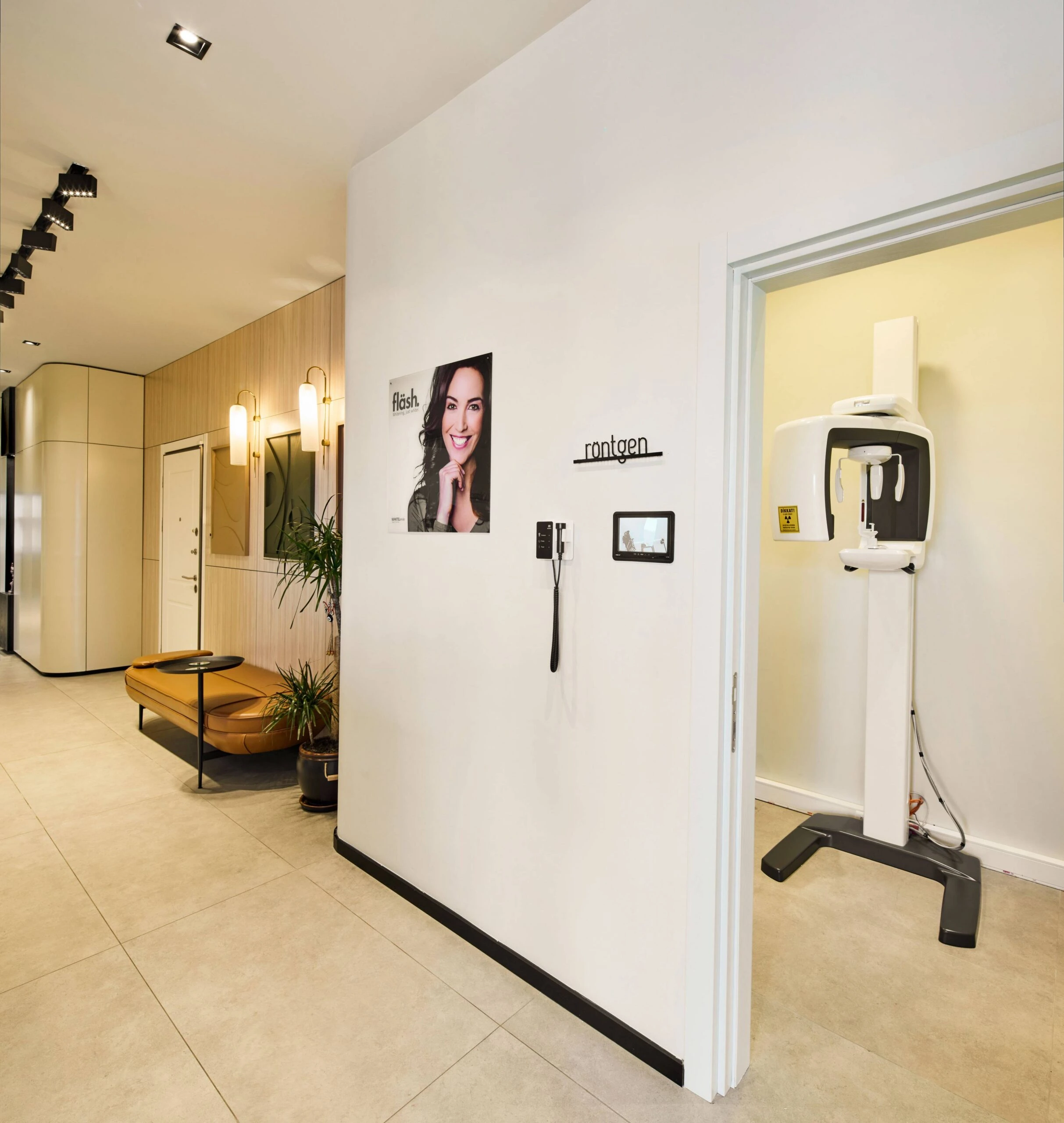
See the consultation, imaging and treatment areas before your visit.

They are made from zirconium dioxide ceramic rather than metal.
No. Bone, gums, implant position and prosthetic needs must be assessed.
Material and some component and restorative options differ; the choice is individual.
They may be considered when implant dimensions and bite conditions are suitable.
Forces and restoration design need detailed assessment and protective measures may be discussed.
Some systems may allow this, subject to comprehensive imaging and prosthetic planning.
Yes. A metal-free material does not remove the need for adequate bone support.
Daily cleaning and professional reviews remain necessary; advice depends on the chosen system.
No guarantee is appropriate. Any known sensitivity and medical history should be discussed with the clinician.
Available imaging, dental history and material preference can inform an initial discussion; the plan is confirmed in person.
This page provides general information. Suitability is determined after an examination and relevant imaging.