
A Missing Full Arch
If all teeth in one jaw are missing, fixed and removable restoration options can be reviewed.
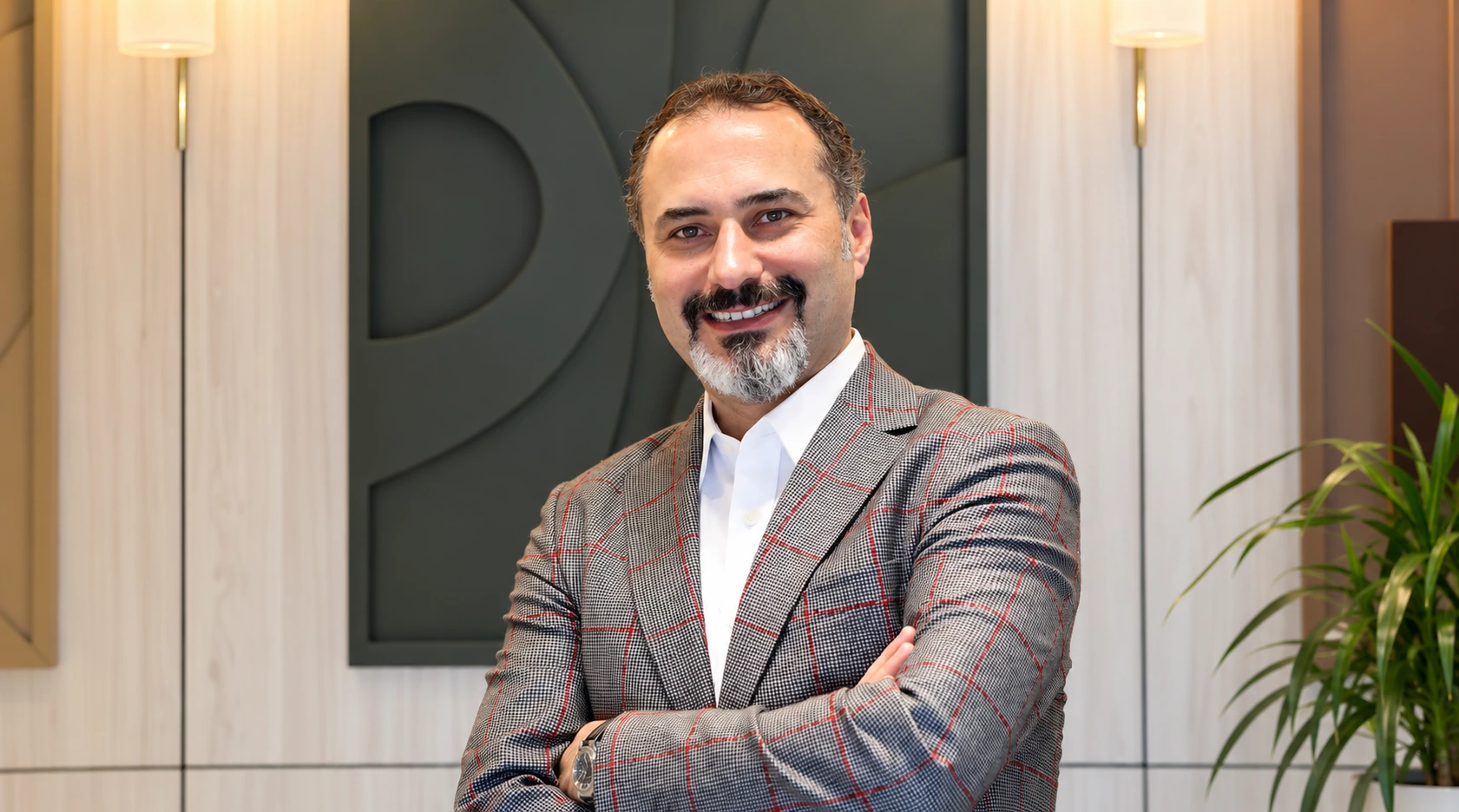
Four strategically distributed implants can support a fixed full-arch restoration. Suitability depends on bone anatomy, any maintainable natural teeth and the long-term prosthetic plan.
All-on-4 is a treatment approach in which a fixed restoration for one complete arch is supported by four implants placed in suitable positions. It does not mean that each missing tooth needs its own implant.
Dr. Ali İlker Baştan first assesses whether existing natural teeth can be maintained. Three-dimensional imaging, available bone, gum health, bite, medical history and access for cleaning are considered alongside the prosthetic design. If four implants cannot provide suitable distribution, a different configuration may be discussed.
If all teeth in one jaw are missing, fixed and removable restoration options can be reviewed.
Teeth with a maintainable long-term prognosis are assessed before any extraction decision.
Suitable implant positions, chewing forces and restorative space influence the treatment plan.
The schedule, any extractions or bone procedures and prosthetic design vary between patients.
Medical history, remaining teeth and imaging are reviewed; possible alternatives are discussed.
Implant positions and the temporary and final restorations are planned together.
The planned implants are placed. A fixed temporary restoration may be considered if initial stability is sufficient.
Healing is monitored, the final restoration is completed and a maintenance schedule is agreed.
All-on-4 uses four implants and All-on-6 uses six to support a full-arch restoration. A larger number is not inherently better; additional implants need to contribute support from favourable positions.
The assessment considers implant distribution, any unsupported posterior extension, grinding, the opposing arch and access for daily cleaning. Different configurations may be appropriate in the two jaws.
Individual suitability requires clinical assessment and imaging.
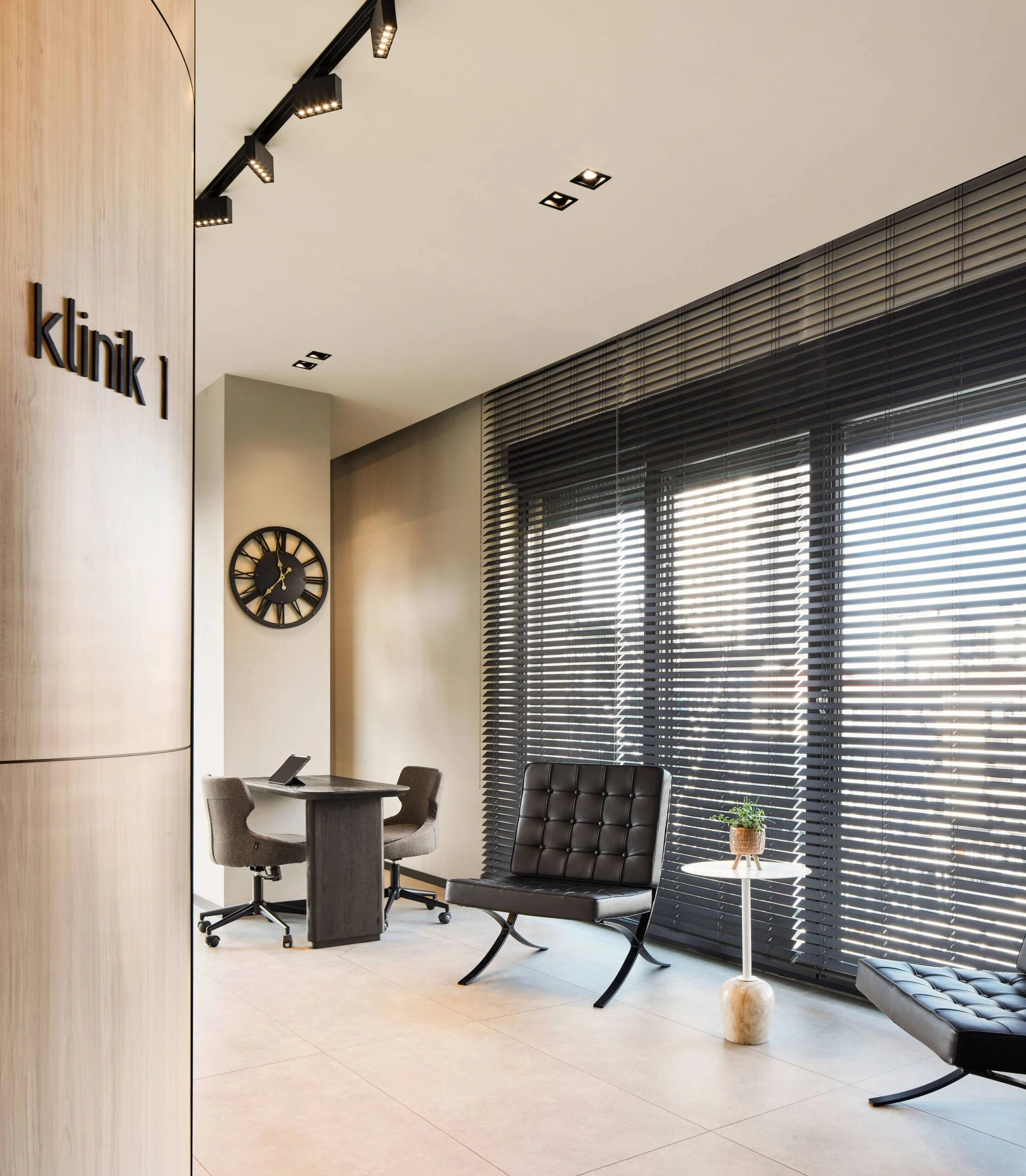
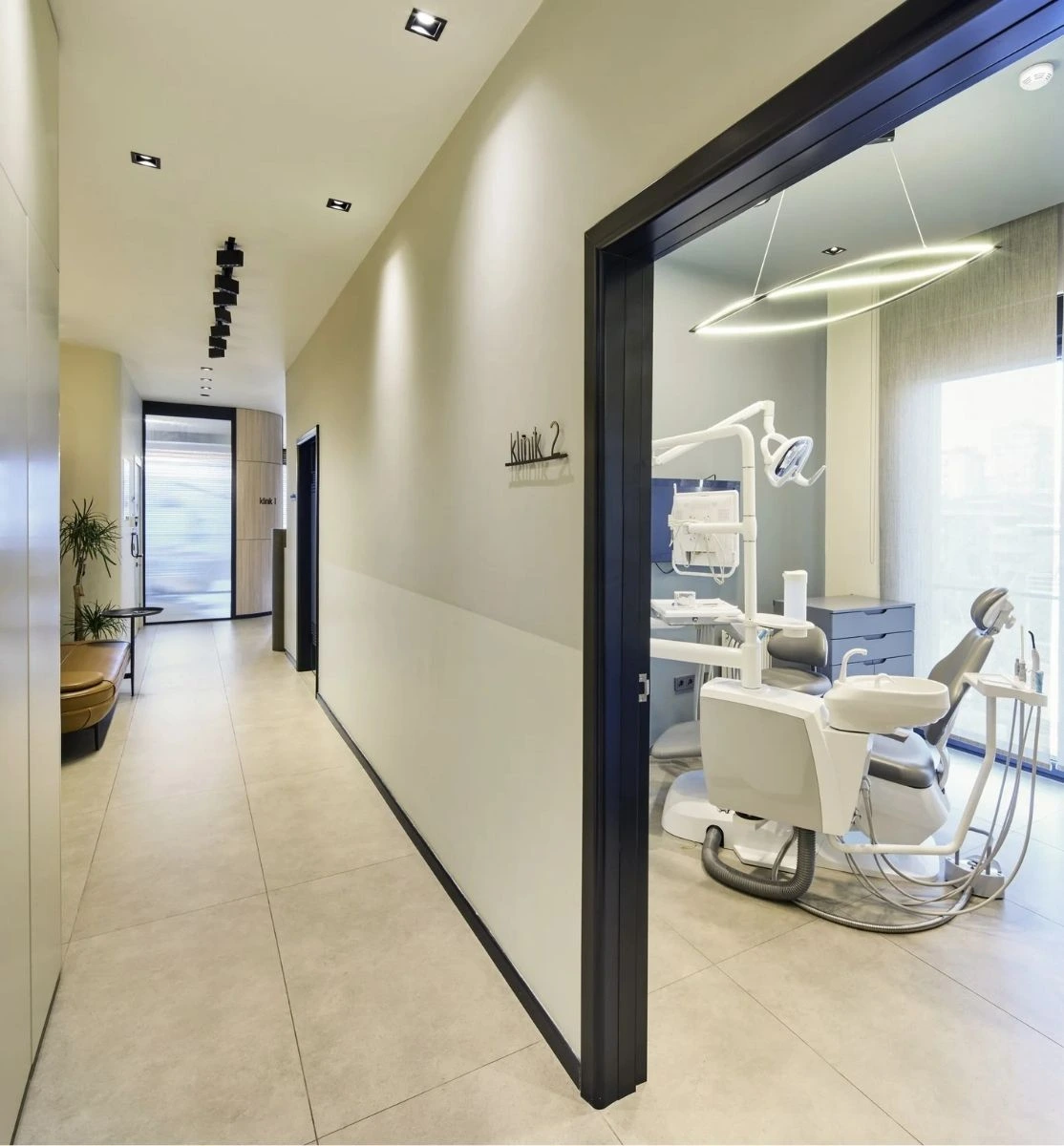
See the consultation, imaging and treatment areas before your visit.

No. A clinical assessment and relevant imaging are needed to review bone distribution, medical history, remaining teeth and prosthetic requirements.
A fixed temporary restoration may be possible when initial implant stability and clinical conditions permit. It cannot be promised for every patient.
No. Angled placement may help use available bone, but some patients still require grafting or another procedure.
No. Each jaw can be planned separately according to anatomy and prosthetic needs.
No. Natural teeth that can be maintained are evaluated before extraction is considered.
A fixed bridge is not removed by the patient during daily use; the clinician can remove a screw-retained restoration when necessary.
The timing of surgery, healing and the final restoration depends on the individual plan and any additional procedures.
An appropriate anaesthesia plan is used during treatment. Temporary swelling, tenderness and discomfort may occur afterwards.
Daily cleaning around the implants and under the bridge, together with professional reviews, is required.
You can share existing images and medical information for an initial discussion. The final plan requires an in-person examination.
This page provides general information. Suitability is determined after an examination and relevant imaging.