
Severe Upper-Jaw Loss
Advanced options are compared when conventional implants cannot obtain suitable support.

When the upper jaw has insufficient bone for conventional implants, implants anchored in the cheekbone may be considered after a detailed specialist assessment.
Zygomatic implants are longer implants designed to obtain support from the cheekbone in selected cases of severe upper-jaw bone loss. They are neither the first nor the only option for every patient with reduced bone.
Dera Dental lists this approach among its options for advanced upper-jaw bone loss. This page explains assessment of the maxilla, sinuses, cheekbone, general health and alternatives; it does not claim that a particular clinician has performed a given procedure or promise an outcome.
Advanced options are compared when conventional implants cannot obtain suitable support.
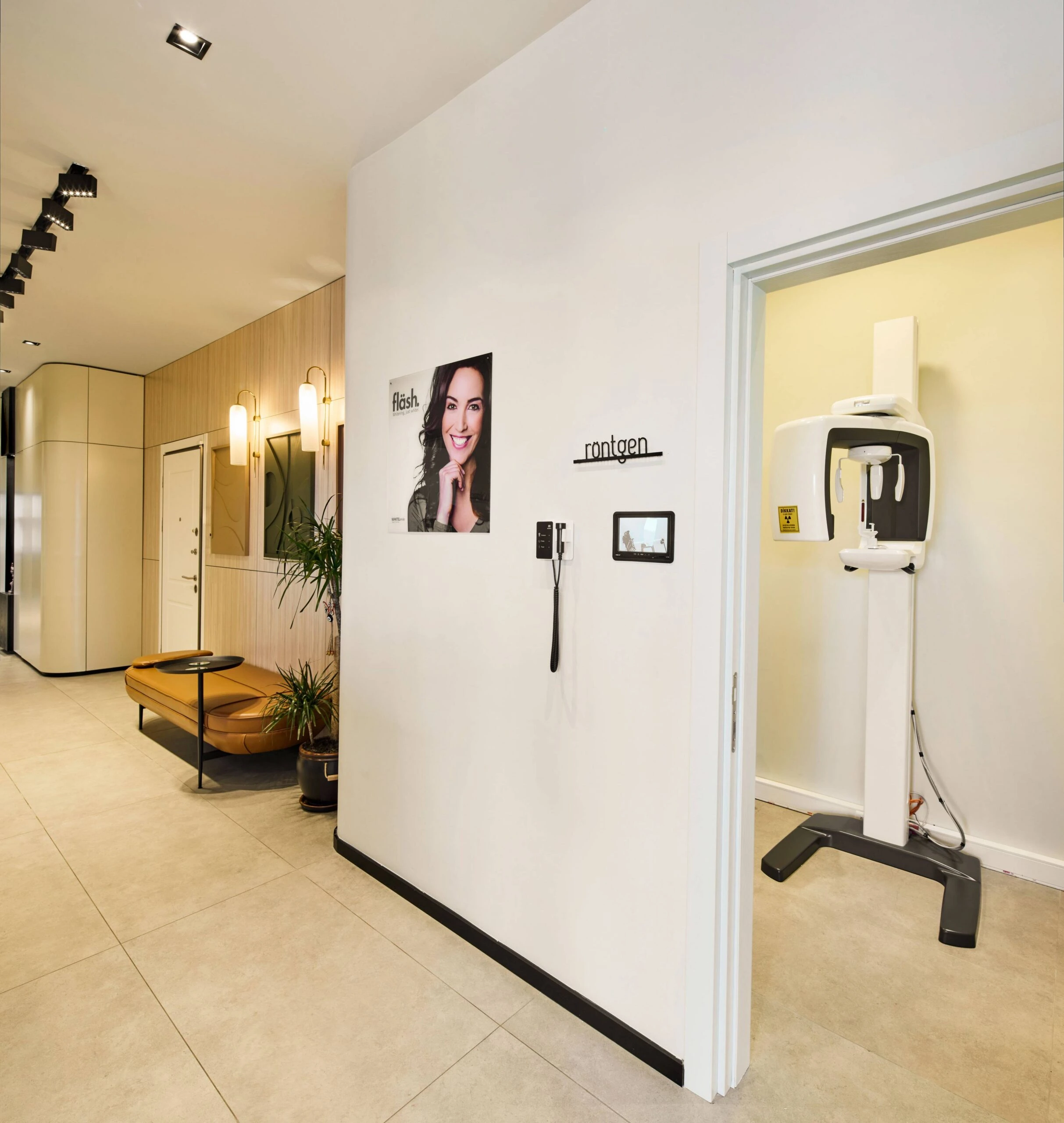
The cheekbone, maxillary sinuses and surrounding structures are reviewed with imaging.
Bone reconstruction, a different implant distribution or a removable restoration may also be considered.
In advanced bone loss, surgical and prosthetic stages cannot be reduced to one standard schedule.
Tooth loss, prior graft or implant procedures and medical history are discussed.
Bone, sinus anatomy and prosthetic support are assessed using imaging.
The method, additional procedures and anaesthesia plan are considered individually.
Temporary and final restoration options and professional maintenance are planned.
Bone grafting seeks to rebuild jawbone for a conventional implant. Zygomatic implants draw support from the cheekbone in carefully selected cases. Each approach has distinct surgical demands and limitations.
Some plans combine zygomatic and conventional implants. The choice depends on three-dimensional anatomy, prosthetic design and the patient's general health.
Individual suitability requires clinical assessment and imaging.
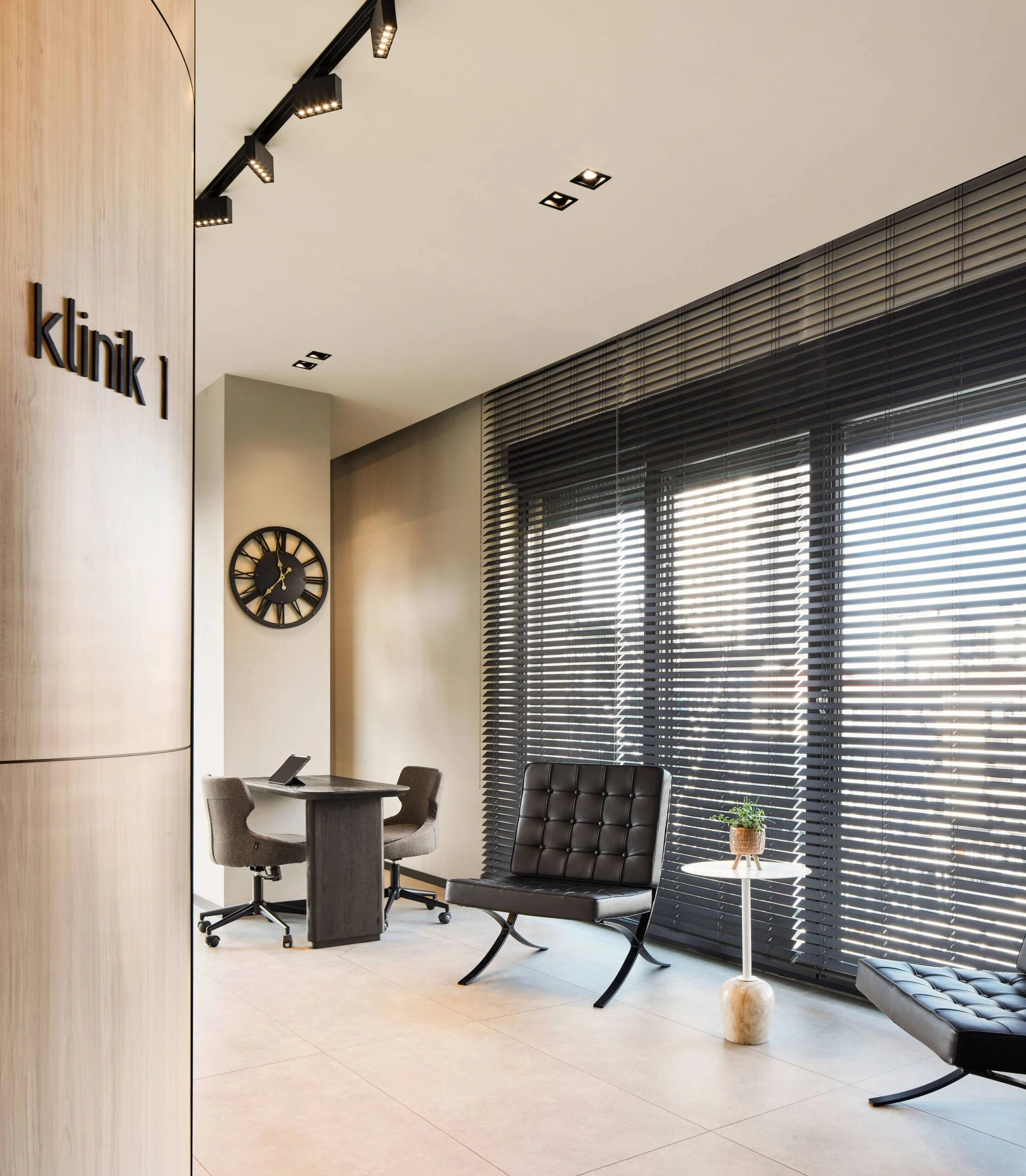
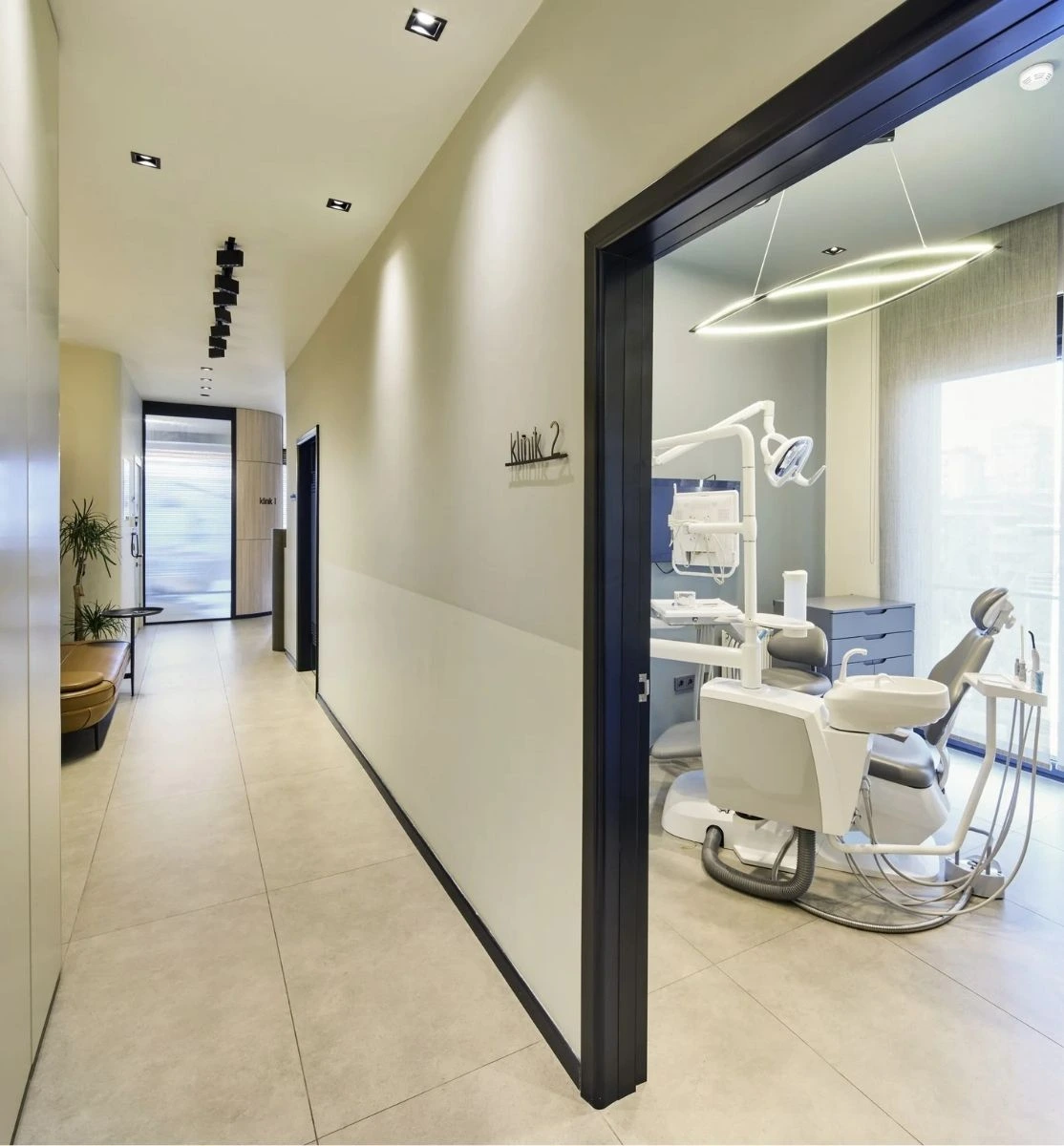
See the consultation, imaging and treatment areas before your visit.

It is an implant designed to gain support from the cheekbone in selected patients with severe upper-jaw bone loss.
No. Conventional implants, bone augmentation and other restorative choices are also assessed.
This method relates to the upper jaw and cheekbone anatomy.
A graft may be avoided in some plans, but that result cannot be promised for every patient.
The cheekbone, sinuses and surrounding anatomical structures must be assessed for surgical planning.
The number and combination depend on the anatomy and intended restoration.
It may be considered when stability and clinical conditions allow; the decision is individual.
Medication, cleaning and follow-up instructions depend on the scope of surgery and the patient's health.
No. Anatomical and general health factors require detailed assessment.
Previous CT scans, X-rays, implant or graft records and medication details can help the assessment.
This page provides general information. Suitability is determined after an examination and relevant imaging.